
Healthcare facilities must perform under constant pressure. Safety, flexibility, and clinical insight play a critical role in shaping environments that support patient outcomes, clinician performance, and long-term community resilience.
Key Takeaways
- Healthcare environments directly influence patient outcomes and response times
- Designing for flexibility is essential to resilience, not optional
- Clinical and first-responder insight strengthens real-world performance
- Access, circulation, and adaptability are critical to healthcare equity
Overview
Healthcare environments shape what’s possible in moments of care. Every clinical decision, response time, and patient interaction is influenced by spaces that must function safely, efficiently, and without interruption, especially when conditions are unpredictable and stakes are high.
Healthcare facilities are more than buildings. They are living systems that must respond to constant change, support complex operations, and enable clinicians to deliver care without added barriers. Safe, efficient environments are not secondary to care delivery; they are essential to it.
Access, Equity, and Time-Sensitive Care
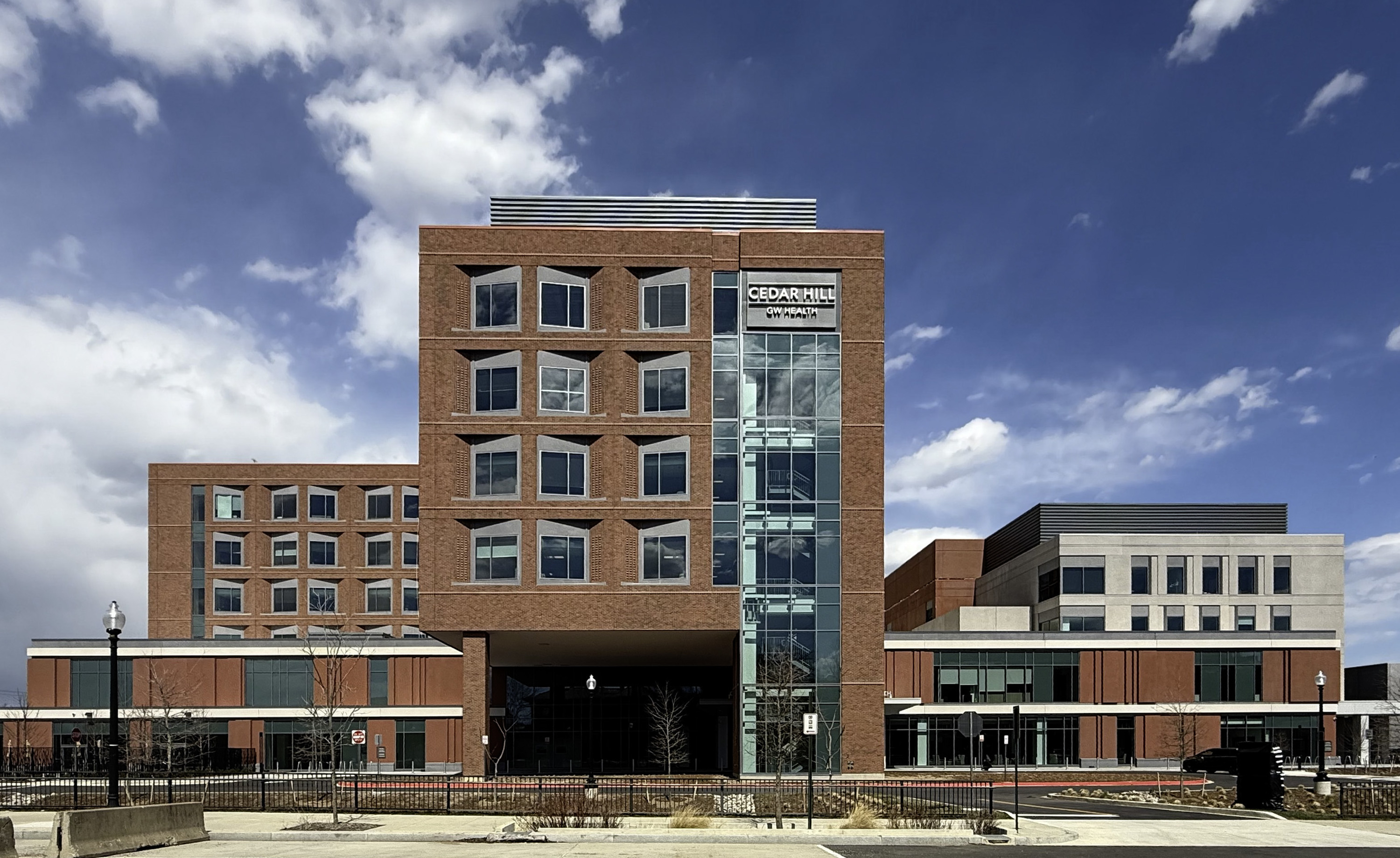
This connection between people and place is especially clear in healthcare design projects such as Cedar Hill Regional Medical Center in Southeast Washington, D.C., where the return of critical healthcare services represents more than new construction. It represents improved access, stronger community resilience, and better patient outcomes.
Designing with Clinical Insight
As both a structural engineer and an active paramedic with a regional volunteer Fire and EMS system, I have a firsthand understanding of how the built environment shapes patient outcomes, response times, and provider performance during critical moments of care. Serving on the project team for Cedar Hill Regional Medical Center made that connection especially meaningful, linking engineering design to the real-world urgency of emergency access.
Located in an underserved area of Washington, D.C., the new hospital restores essential healthcare services to Ward 8 and surrounding communities, including trauma care, maternity services, and a new Cath Lab for cardiac emergencies. For a community that previously faced significant travel times for medical interventions that are truly time-sensitive, the impact is immediate and measurable.
Minutes Matter in Emergency Care
Time-sensitive emergencies such as heart attacks, strokes, and trauma events leave little room for delay. Access to a local Cath Lab means patients experiencing life-threatening cardiac events no longer face a 25-minute or longer transport to the next nearest facility. In emergency medicine, those minutes directly affect outcomes.
Hospital-based care often begins in the emergency department, making access to timely, local services one of the most important factors in community health. Returning these services to Ward 8 improves both emergency response and long-term healthcare equity.
Flexibility Is Foundational to Resilience
Healthcare design must begin with an understanding of how hospitals function during critical moments, not simply how they operate on opening day. In fact, user group meetings with nurses, physicians, and operations teams are some of the most valuable parts of the process. Listening to the people who rely on these environments every day ensures the final design supports real-world care delivery, not just theoretical planning.
Many healthcare spaces are highly tailored at the time they are built, but the demands placed on those spaces change constantly. Hospitals must be designed not only for today’s needs, but for tomorrow’s realities. Flexibility, adaptability, and resilience are no longer optional, they are foundational.
The lessons of recent years, particularly since COVID, have reinforced the need for healthcare environments that can shift quickly. Modular spaces, isolated treatment areas, adaptable patient rooms, and infrastructure that can support future equipment changes all contribute to long-term performance.
Designing for flexibility allows healthcare systems to respond to patient surges, changing care models, and future unknowns without compromising safety or care quality.
Secure Design That Supports Care
Secure design plays a critical role in making that possible.
In a hospital environment, secure design extends beyond structural integrity. It includes safe site circulation, efficient emergency access, protected perimeters, and operational systems that support clinicians rather than slow them down.
At Cedar Hill, site circulation was a major focus. The facility needed to support multiple modes of arrival, from ambulances and emergency vehicles to patient drop-off and daily staff access. Creating open, column-free drive lanes and flexible access points improved both safety and operational efficiency while preserving critical response times.
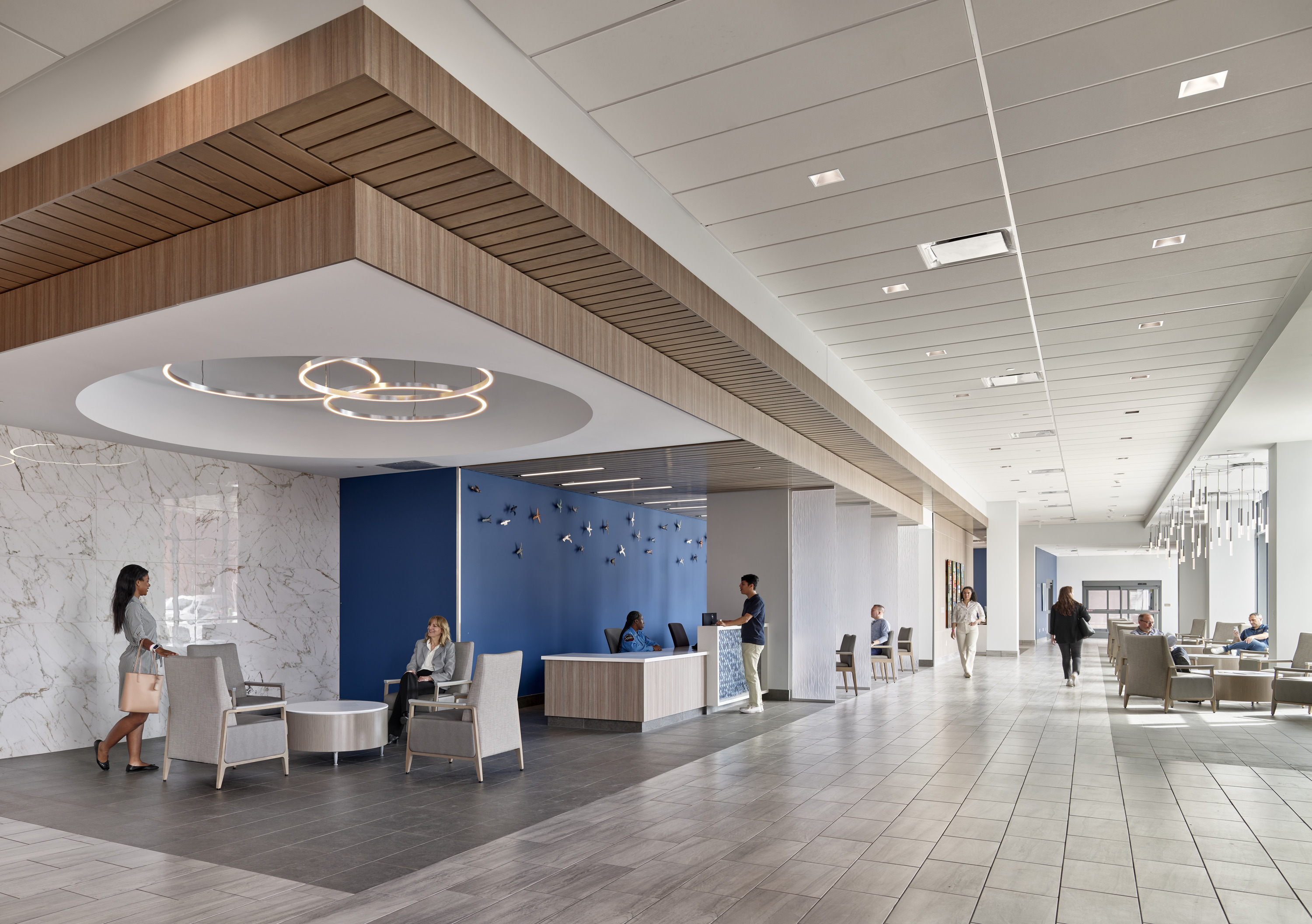
The goal of healthcare design should be to make the environment feel seamless for the people using it. Clinicians should be able to focus entirely on patient care, not on navigating inefficient layouts, delayed access, or operational obstacles.
Secure perimeters must remain safe while also ensuring facilities stay open and accessible to the communities they serve. This balance is especially important in healthcare, where safety and openness must coexist.
Collaboration Shapes Long-Term Performance
Projects like Cedar Hill move quickly and involve constant coordination between architects, engineers, owners, and healthcare operators. Working closely with design partners like HOK and project stakeholders throughout construction allowed challenges to be solved in real time and helped keep the project moving forward.
Engineering partners must provide more than technical design. They must understand the operational realities of healthcare systems - from specialized medical equipment and replacement cycles to workflow efficiency and long-term facility performance - and prepare facilities to function with today’s technology now and be prepared for the technologies of tomorrow.
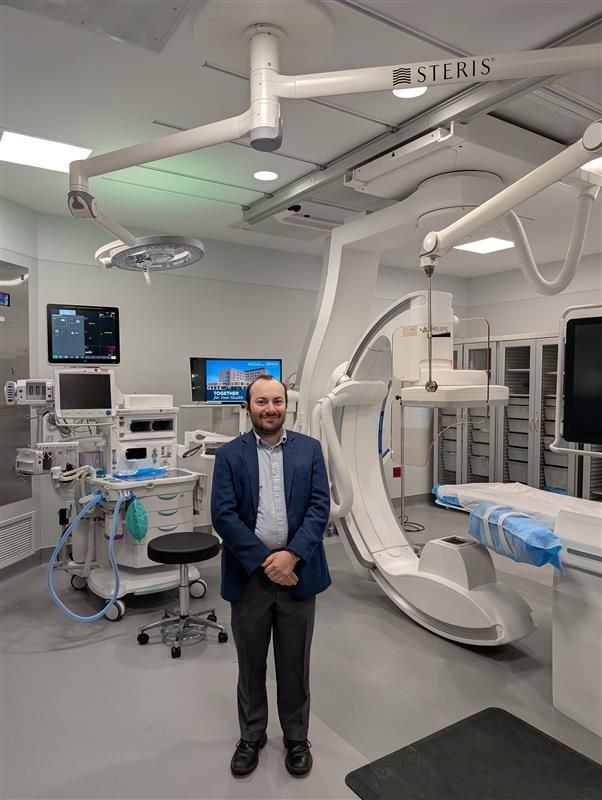
Anticipating equipment needs early, rather than modifying structures later, creates better outcomes for owners and providers alike. Healthcare leaders need partners who understand not only how buildings are constructed, but how they will perform for decades after opening.


