
Future-ready healthcare facilities preserve options for change through flexible design, informed use of existing assets, adaptable infrastructure, and long-term campus planning.
Key Takeaways
- Build in flexibility
- Rethink existing assets
- Anticipate technology needs
- Plan across the campus
Overview
Healthcare leaders are making facility decisions in an environment defined by uncertainty. Patient expectations continue to evolve. Robotics, artificial intelligence, automation, and other technologies are changing how hospitals operate and use space. At the same time, organizations are under pressure to maximize the performance of existing facilities while planning for future growth.
Across buildings, infrastructure, operations, and the broader campus, one question is becoming increasingly important: What should healthcare organizations consider today to prepare their facilities for the next decade?
Future-ready healthcare facilities are not about predicting exactly what comes next. They are about making thoughtful decisions today that preserve options for tomorrow.
Build in Flexibility
One of the strongest opportunities to create future flexibility comes at the beginning of planning.
Space planning decisions are often made before owners fully understand what the structure and infrastructure can support. Yet early decisions about structural systems, floor-to-floor heights, mechanical and electrical capacity, and infrastructure distribution can significantly affect how easily a facility accommodates future renovations, new technologies, and changing program requirements.
Understanding what a building can do can create options owners may not realize they have. Whether evaluating an existing facility or planning a new one, considering future uses early can help teams avoid decisions that limit flexibility later.
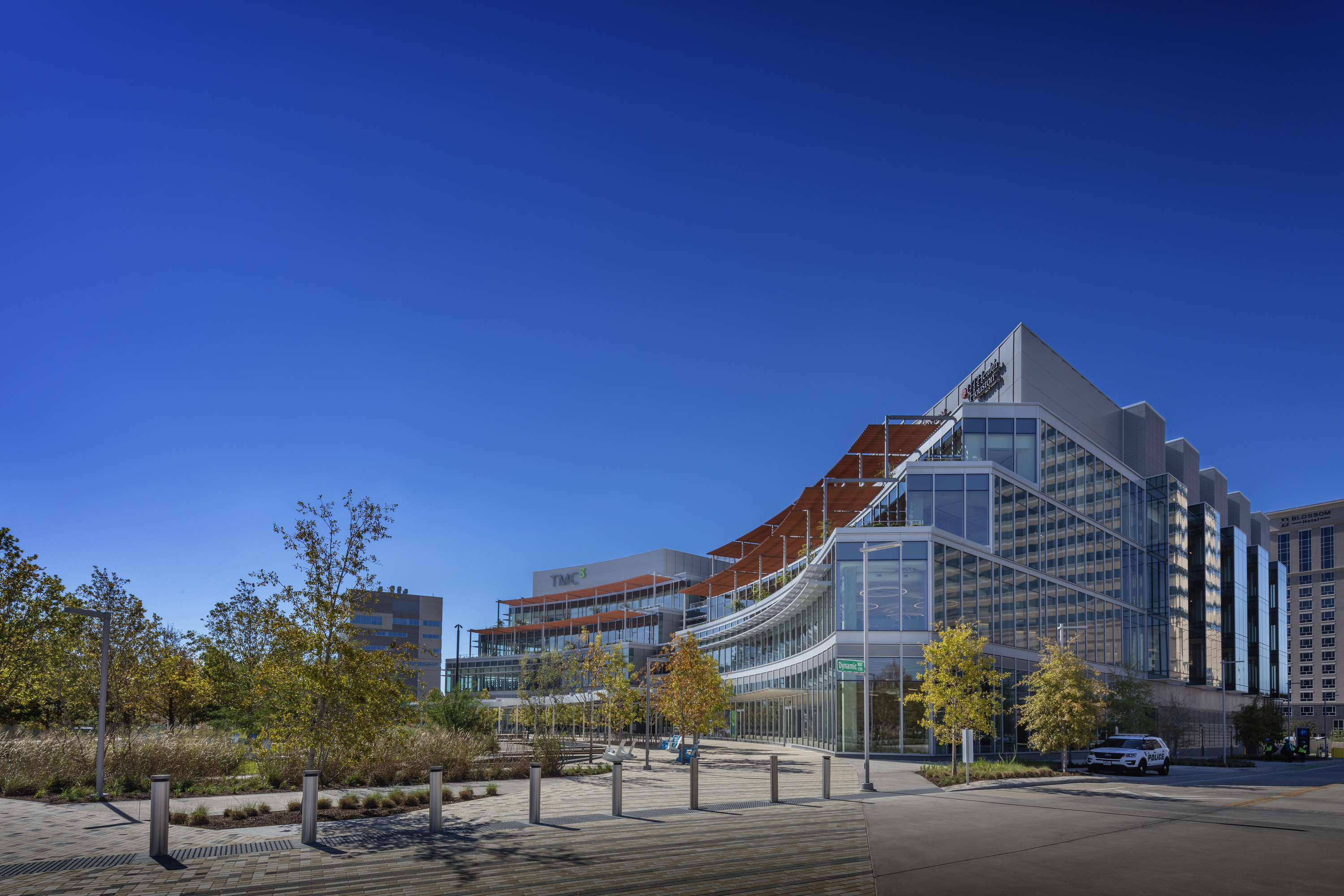
That thinking should extend beyond individual floors or departments. How a healthcare facility stacks vertically can have a significant effect on its long-term performance. Considering operating rooms, clinical spaces, major corridors, and supporting infrastructure together can reveal opportunities to improve efficiency and avoid conflicts later in design and construction.
Flexibility also requires connecting today’s project to the organization’s broader clinical strategy. The goal should not simply be to build enough space for the next 10 years. It should be to create the right infrastructure to support how care may be delivered over those 10 years.
That means challenging assumptions, considering different growth scenarios, and identifying where flexibility will provide the greatest long-term value.
Rethink Existing Assets
Future planning does not always begin with new construction. Often, it begins with understanding how existing buildings are performing today and what it will take to keep them performing tomorrow.
Facility assessments can uncover opportunities to repurpose underused space, support new equipment, address existing vulnerabilities, or extend the useful life of a building before significant problems develop.
Evaluating existing structural capacity, vibration performance, and other design criteria can identify spaces that may already be capable of supporting higher-performance uses. Looking beyond a space’s current function can give owners a clearer picture of what is possible within an existing building.
That information can be translated into accessible tools, such as color-coded building maps that identify where different levels of flexibility exist. For an organization considering growth, that can shift the conversation from “Where can we build?” to “What can we do with what we already have?”
Understanding existing facilities should be an ongoing strategy rather than a one-time exercise. Planned maintenance programs, periodic assessments by structural engineers and building enclosure consultants, and capital asset management plans can help organizations anticipate needs and plan investments over time.
These approaches give healthcare owners a clearer understanding of what their facilities can support today and what investments may be needed to keep them performing into the future.
Anticipate Technology Needs
Future facility planning is no longer driven solely by patient volumes or bed counts.
The continued shift toward outpatient care is changing where and how services are delivered. At the same time, robotics, automated logistics, artificial intelligence, and advances in medical equipment are creating new demands on healthcare buildings and infrastructure.
The challenge is that organizations must prepare for technologies that may not yet be fully defined.
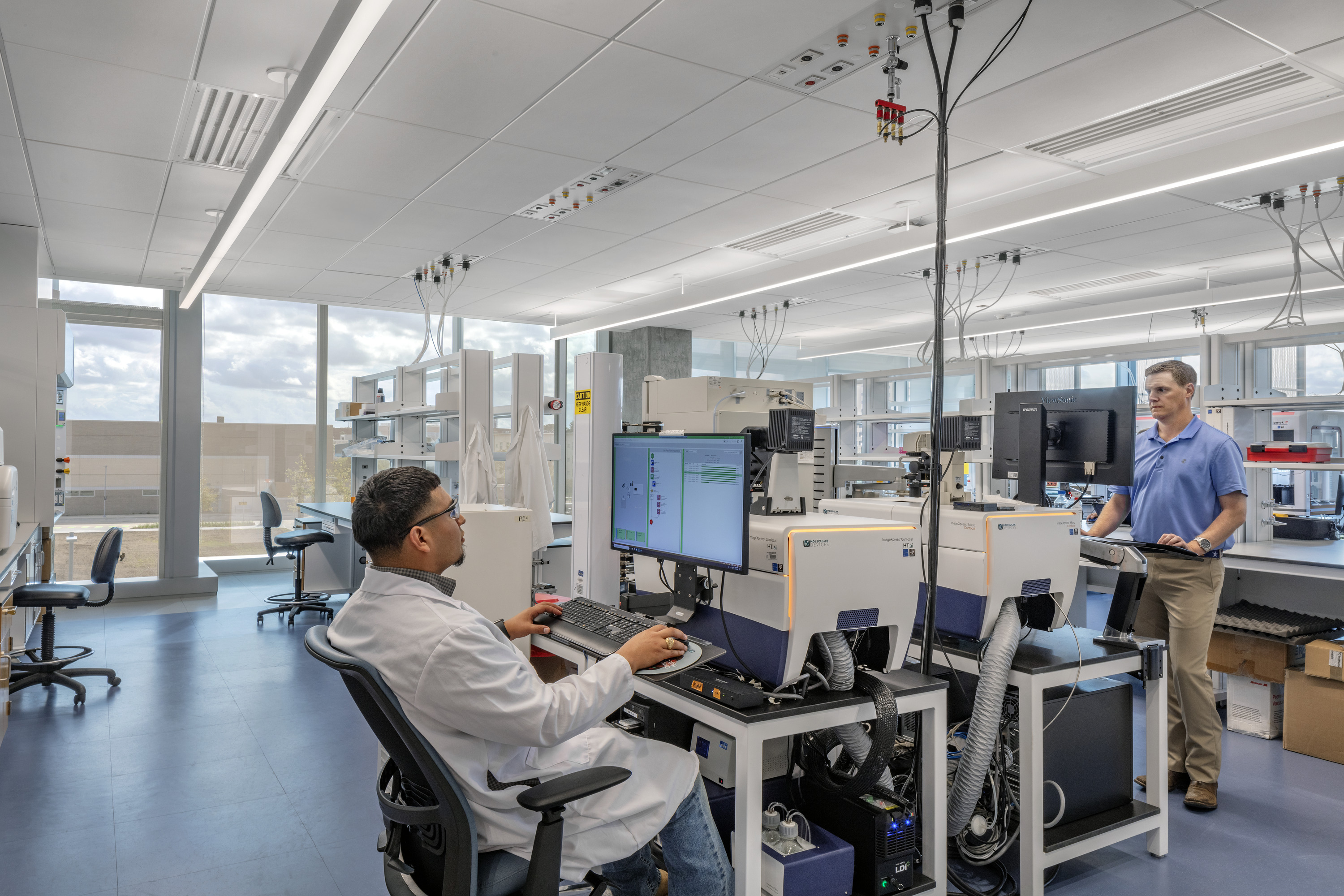
That means looking beyond the technology being implemented today to consider the capacity and distribution future technologies could require. Addressing those needs early can provide more flexibility to accommodate new systems without major disruption later.
Healthcare leaders should be asking:
- Where will these technologies operate?
- How will they move through the facility?
- What infrastructure will support them?
- How easily can today’s spaces adapt as technology changes?
The answers will continue to evolve. The important thing is creating the capacity to respond.
Consider the Whole Campus
Future-ready healthcare facilities also have to work for the people who use them every day.
Workforce challenges continue to influence design decisions. Consistent room layouts, adaptable clinical spaces, efficient circulation, and thoughtful staff environments can support operations while creating a better experience for caregivers.
Patients and visitors bring their own expectations. They need healthcare environments to be accessible and easy to navigate, and that experience begins well before they enter the building.
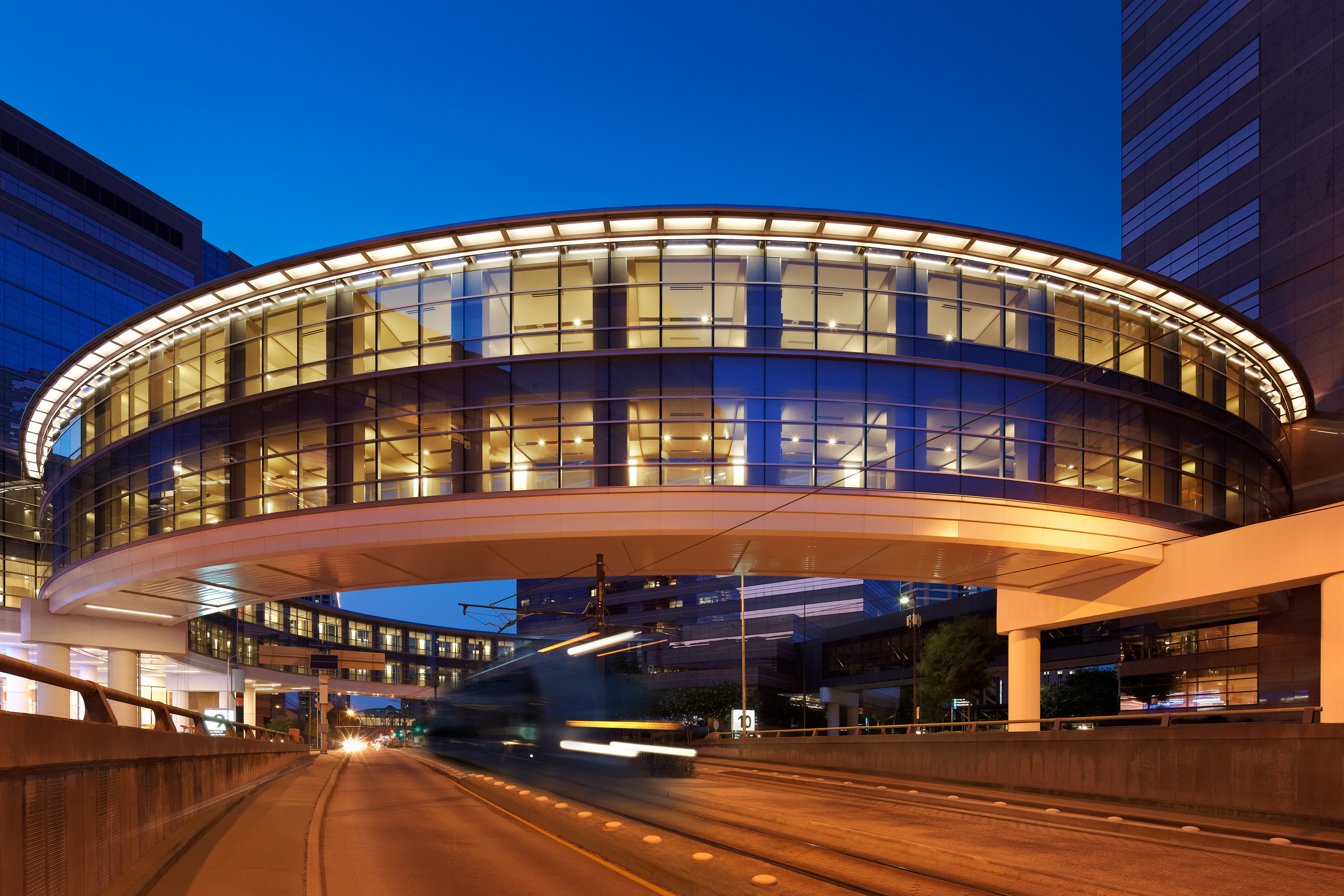
As campuses expand, access, circulation, drop-off areas, pedestrian connectivity, and parking become part of the larger patient experience.
Healthcare organizations should evaluate future parking demand and management strategies as part of long-term growth planning. New facilities, service lines, and patient programs can increase parking demand, yet those effects may not become apparent until capacity constraints begin disrupting operations.
Parking supply alone does not tell the whole story. How parking is managed also matters. Employee parking, patient and visitor access, policies, and enforcement can all influence whether the most convenient spaces remain available to the people who need them.
Campus growth must also account for traffic flow, drop-off operations, emergency access, and pedestrian connectivity. If these systems are not considered alongside building expansion, growth in one area can create challenges elsewhere.
Plan Beyond Today
Perhaps the most important planning question is also the simplest: What comes next?
That conversation should begin on day one, with a long-term vision that extends beyond the immediate project.
Even when a project is modest, understanding where the organization ultimately wants to go creates an opportunity to develop a scalable plan and phased implementation strategy.
If that vision could eventually include additional patient towers, expanded bed capacity, new service lines, or other significant campus growth, those possibilities can influence decisions being made today. Considering them early can help reduce costly rework and infrastructure rerouting later.
Planning should not stop when construction is complete. Periodic assessments and long-term capital planning can help organizations understand the buildings they already have, anticipate repairs, address vulnerabilities, and extend their useful life.
Future-proofing is not a single design decision or capital project. It is an ongoing strategy of understanding existing assets, anticipating change, and making each investment with the next one in mind.
Healthcare organizations may not know exactly what care delivery will look like a decade from now. By preserving flexibility and connecting today’s decisions to a long-term vision, they can create more options for whatever comes next.


