
Healthcare resilience depends on how facilities perform over time. A systems-based approach to aging infrastructure helps healthcare leaders protect operational continuity, manage risk, and sustain uninterrupted care despite evolving demands.
Key Takeaways
- Healthcare resilience is an ongoing strategy, not a one-time capital investment
- Aging infrastructure directly affects care delivery, safety, and operations
- Small building performance issues often signal larger system-level risks
- A systems-based, data-informed approach supports long-term continuity of care
Overview
Healthcare resilience is often associated with large capital investments—new towers, expanded campuses, and advanced clinical technologies. Instead, it is built overtime.
Resilience comes from understanding both how a facility performs today and how it will need to perform and function in the future. In healthcare environments where operations never stop, that long-term view is critical.
When Buildings Behave Like Systems
Hospitals and healthcare facilities are not static assets. They are living systems without interrupting care delivery.
That starts with the building itself.
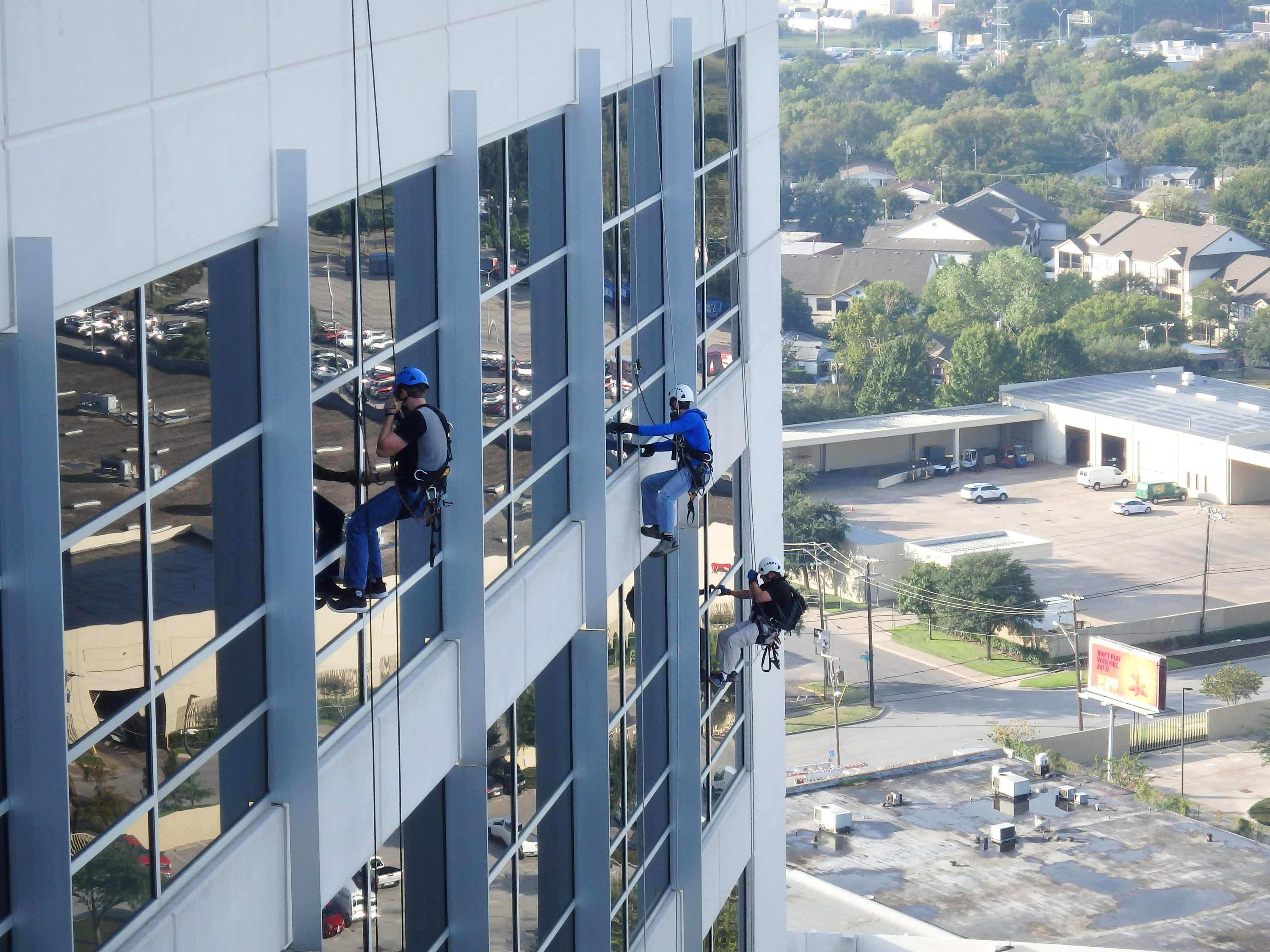
The building enclosure can be thought of as the skin of the hospital. Just as skin protects the human body, the enclosure protects the systems inside. When that protective layer begins to fail, the impact extends far beyond maintenance. It affects the entire healthcare system.
The Envelope Is the First Line of Clinical Continuity
Healthcare facilities are critical infrastructure. When the enclosure, structure, or supporting systems are compromised, the consequences are immediate. Delayed care, disrupted operations, and staff and patient safety risks can quickly follow.
Resilience, therefore, is not just about emergency preparedness. It is about operational continuity.
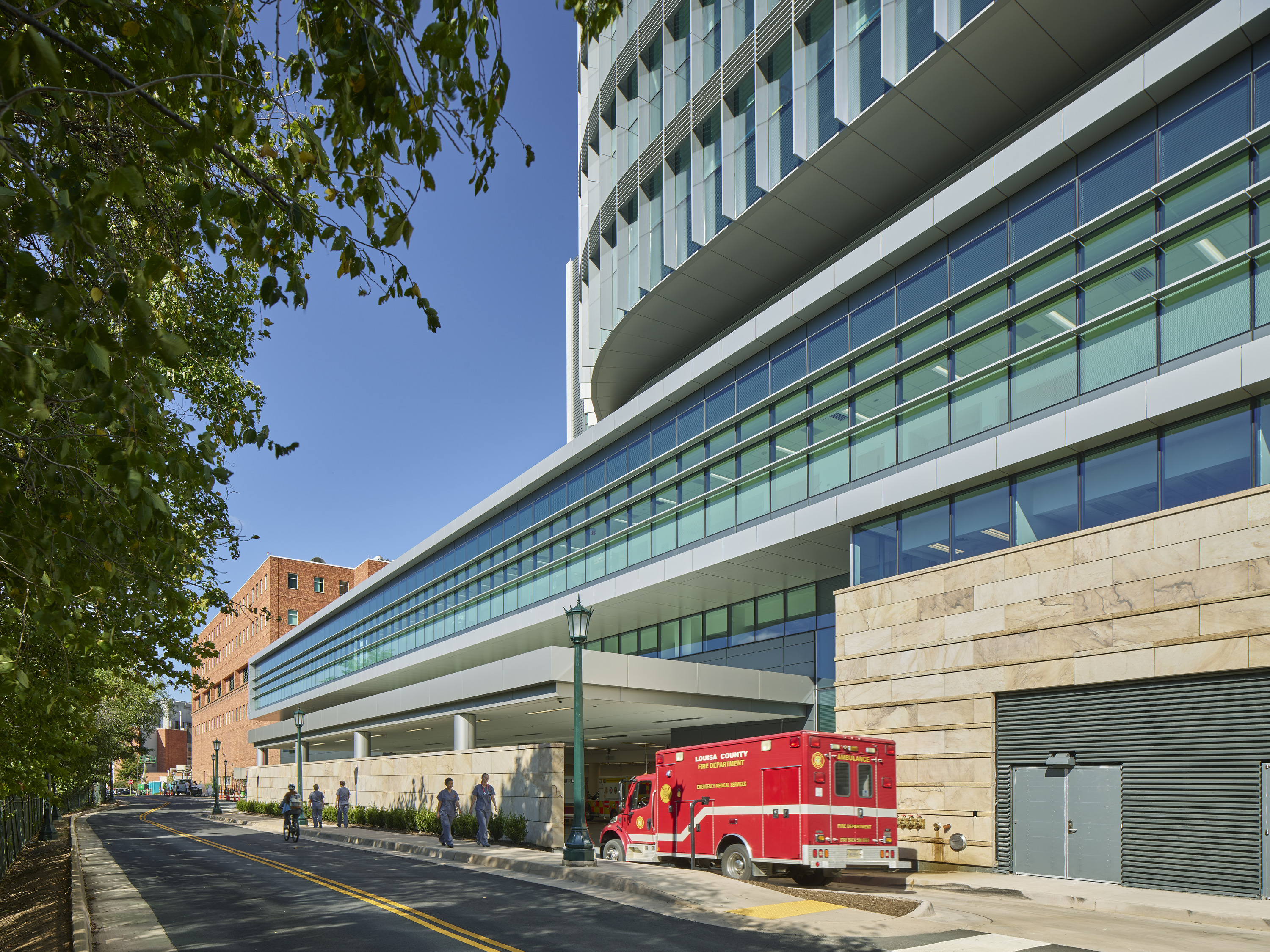
As conditions change over time, the conversation must expand beyond individual repairs and immediate fixes to more foundational questions:
- How is the building performing as a system, not just as individual components?
- Where are small issues signaling larger, emerging risks?
- Are today’s decisions strengthening long-term resilience, or simply delaying disruption?
Organizations that take this holistic systems-based, forward-looking approach are better positioned to adapt, respond, and sustain uninterrupted care delivery under pressure.
Deferred Maintenance Is Deferred Care
One of the greatest challenges healthcare leaders face is balancing immediate operational demands with long-term infrastructure planning.
As an example, the building envelope is often the last item addressed in a budget. But, when enclosure systems and structure performance are disconnected from those decisions, risk grows quietly in the background.
Buildings usually provide warning signs before failure occurs. Moisture intrusion, unusual temperature shifts, masonry movement, cladding issues, or structural cracking collectively often reveal larger performance risks developing beneath the surface.
The challenge is recognizing those early signals and responding before operations are affected.
That requires more than reactive maintenance. It requires strategy.

No System Fails in Isolation
The goal is not simply to repair what is broken. It is to understand how one issue affects the entire facility.
A hospital cannot be evaluated one component at a time.
The enclosure, structure, and mechanical systems must be considered together. A roofing issue may affect indoor air quality, moisture intrusion may compromise equipment performance, and breaches in air-barrier systems can strain HVAC performance and introduce humidity and biological growth risks. Structural deterioration can then extend those impacts further, affecting patient access, staff safety, or emergency operations.
Treating problems in isolation often creates larger challenges later.
The strongest healthcare systems take a different approach. They use data to understand performance across the entire facility and proactively prioritize investments based on life safety, service continuity, and long-term value, not just urgency.
This does not require unlimited capital. Most organizations are managing aging infrastructure with limited resources and competing priorities.
Too much data can create paralysis. No data creates blind spots. The value of experienced advisors is helping healthcare leaders interpret that information, prioritize what matters most, and align capital planning with operational resilience.
Building Health Is Critical Infrastructure
For many facilities, resilience begins with a simple question: How is the building performing today?
This is especially important for hospitals and healthcare campuses with buildings more than 30 years old. Many of these facilities were designed for different care models and older code requirements that no longer reflect today’s operational demands.
At the same time, healthcare systems are managing modernization, expansion, and increasing climate-related risk.
Without a clear understanding of building performance over time, it becomes difficult to make confident decisions about where to invest first.
From Insight to Action
That is why a building health check can be such a valuable starting point.
It helps identify early indicators of change before they become operational disruptions. It helps leaders move from reactive repairs to strategic planning. Most importantly, it creates a clearer picture of how the facility is functioning as a system.
The goal is not simply to fix problems. The goal is to protect care delivery and those you deliver that care.
Across healthcare systems nationwide, the organizations that perform best are the ones that treat resilience as an ongoing strategy, not a one-time investment.
They are proactive, not reactive. They use data to make informed decisions. They build systems that support both today’s needs and tomorrow’s uncertainty.


