
Healthcare resilience depends on more than clinical care. Civil master planning, campus access, infrastructure, and flood protection all shape how healthcare systems operate during daily demands and major disruptions.
Key Takeaways
- Healthcare resilience starts long before patients enter the building
- Campus infrastructure plays a critical role in keeping hospitals operational every day
- Thoughtful master planning helps healthcare systems prepare for disruption before it occurs
Overview
Healthcare resilience is often measured by what happens inside the hospital, including advanced technology, clinical excellence, and patient care. In reality, resilience begins well before anyone walks through the front door.
From how staff arrive for shift changes to how emergency systems respond during major weather events, the success of a healthcare campus depends on thoughtful civil master planning. Access, infrastructure, and site design all play a critical role in ensuring hospitals remain operational, efficient, and prepared for disruption.

For major medical campuses like the Texas Medical Center in Houston—where tens of thousands of patients, visitors and employees move in and out daily - these systems must work seamlessly behind the scenes.
Why Seamless Movement Matters
Healthcare staff members operate in high-pressure environments where consistency matters. Something as simple as how they enter campus, where they park, and how they move between facilities can directly affect efficiency and mindset.
When staff are delayed by confusing circulation patterns, inefficient parking layouts, or inconsistent access routes, it creates unnecessary stress before their workday even begins.
Successful healthcare campuses are designed to support routine. Parking structures, patient drop-off zones, pedestrian pathways, tunnels, and skybridges must work together to create predictable, safe, and efficient movement for staff, patients, and visitors alike.
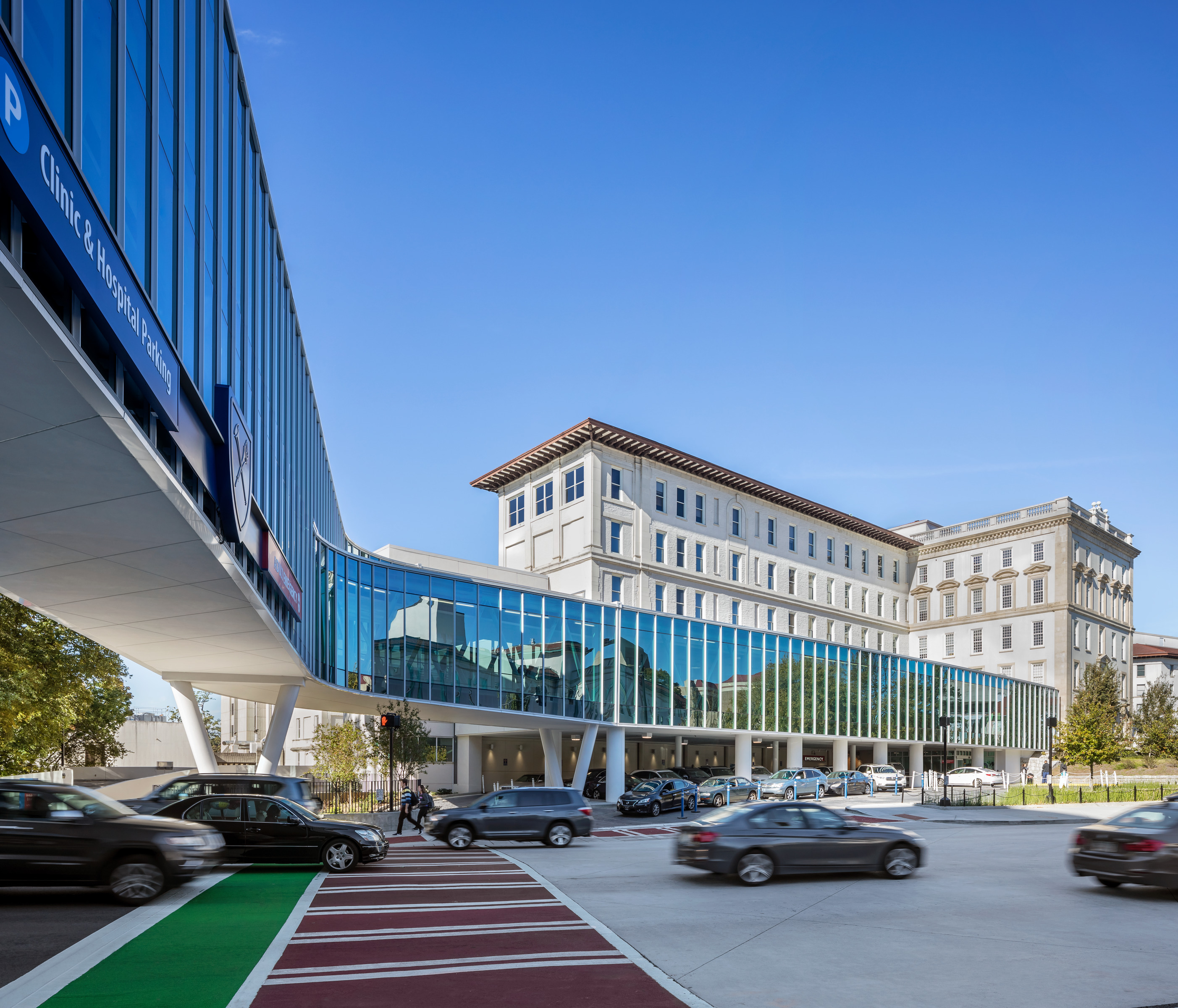
This becomes especially important on large, interconnected healthcare campuses across the country, where multiple institutions share infrastructure, utilities, and operations. From Texas Medical Center and Houston Methodist Hospital to Orlando Regional Medical Center, Children’s Mercy Hospital, UVA Health University Hospital, and healthcare campuses across North Carolina, successful master planning ensures facilities remain connected, accessible, and resilient as they grow and evolve.


The Hidden Infrastructure That Keeps Hospitals Running
Much of healthcare resilience depends on infrastructure that staff and patients never see.
Central plants, chilled water systems, steam lines, stormwater management, electrical distribution, and utility corridors form the backbone of hospital operations. On many existing campuses, this infrastructure is aging, complex, and layered over decades of growth.
As new buildings are added, teams must navigate what can often feel like a “spaghetti maze” of existing systems, carefully identifying where utilities can be extended, upgraded, or protected without disrupting ongoing operations.
Civil master planning helps define these corridors early, minimizing interruptions while ensuring future expansion remains possible.
Flood Protection Is Operational Protection
As climate events become more frequent and severe, healthcare campuses increasingly need flood protection systems designed for operational continuity.
Hospitals must remain accessible and fully operational even when surrounding areas experience severe flooding. That means protecting buildings at the site level through proper elevations, drainage planning, and flood protection measures that can be activated quickly when needed.
The question is not only whether flood barriers exist, but whether facilities teams can deploy them efficiently. Additionally, these systems need to be part of the overall buildings and campuses. Master planning these components, so it is integrated within the overall look of the building is equally as important.
If flood protection systems are too labor-intensive, they often fail when time matters most. The most effective solutions are simple, reliable, and easy to activate, sometimes as straightforward as a single planned response rather than a complex manual process.
Just as important is early warning detection.
Monitoring systems connected to bayous, drainage channels, and stormwater infrastructure allow facilities teams to respond before flooding becomes critical. In Houston, systems tied to waterways like Harris Gully help trigger phased flood response plans, allowing hospitals to move from awareness to action with greater speed and confidence.
The Value of Multi-Functional Infrastructure
Healthcare campuses are also increasingly looking at how resilience strategies can serve multiple purposes.
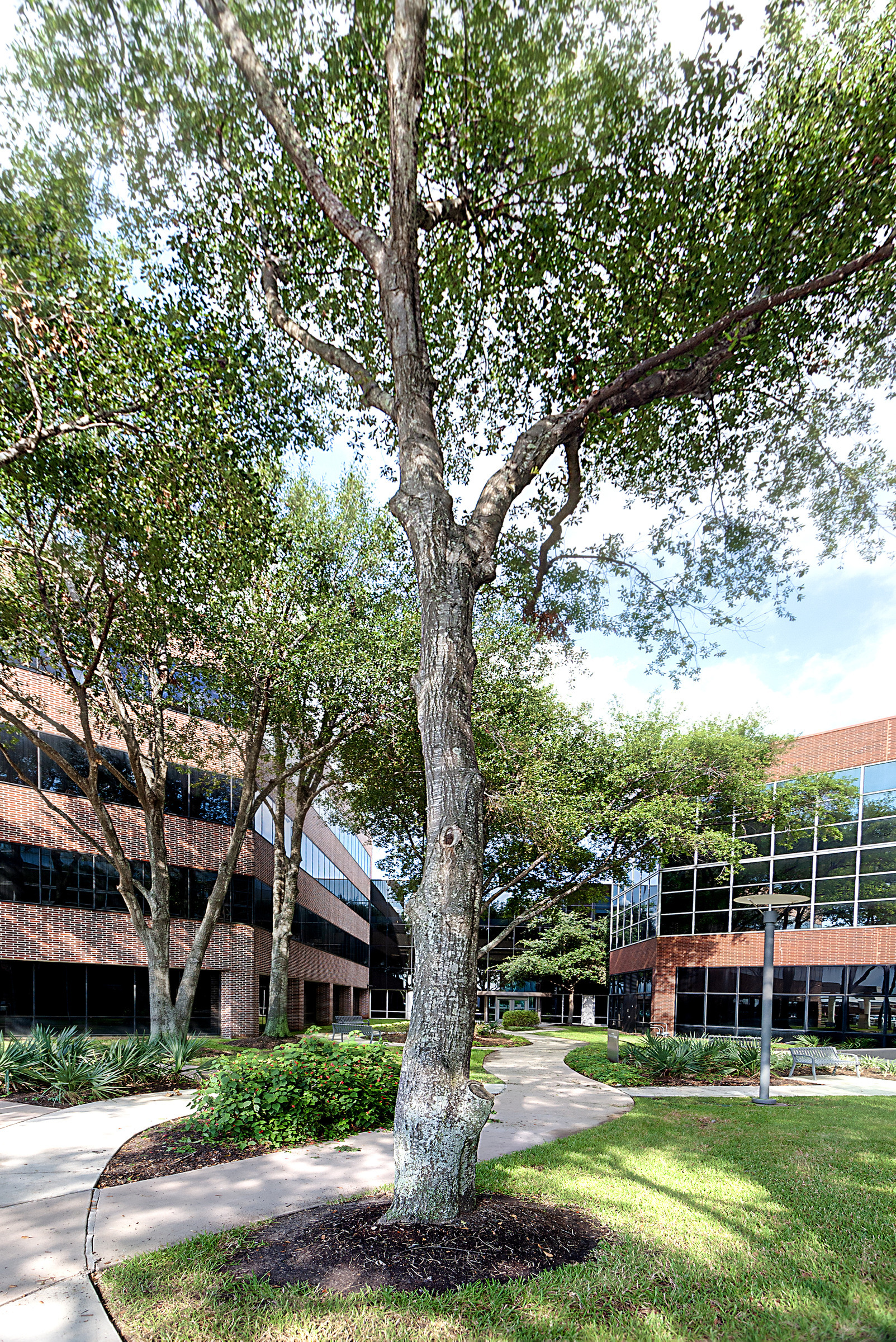
Landscape features like healing gardens, for example, may provide therapeutic outdoor space for patients and staff while also supporting stormwater capture, water quality improvement, and irrigation reuse.
These dual-purpose solutions strengthen both operational resilience and long-term campus performance without requiring separate investments for each goal.
Planning for Continuity Before It’s Needed
When civil master planning is done well, it becomes almost invisible. Staff and patients move efficiently; utilities perform reliably, and hospitals continue operating even under stress.
That is the true measure of resilience: not simply recovering from disruption but designing campuses that are prepared for it long before it arrives.


