
Applying rigorous engineering methods in resource and data-scarce contexts requires experience-based assumptions and community input. Stewardship for public safety involves understanding how water behaves and designing systems that work with it.
Key Takeaways
- Engineering decisions often rely on limited data
- Community input strengthens resilient solutions
- Conservative assumptions help protect long-term performance
- Water stewardship requires adapting proven practices to local conditions
Overview
In the small village of Dumangbe, in southern Sierra Leone, West Africa, a temporary wooden bridge provides pedestrian access over the Korgori stream during the dry season. During monsoon rains, however, the structure is frequently washed away, cutting off Dumangbe and surrounding villages from access to critical services such as education, healthcare, and markets—impacting more than 1,000 people.
Floodwaters do not just damage infrastructure; they isolate communities. Unsafe crossings have led to drownings. During the 2014 Ebola crisis, Dumangbe and nearby villages accounted for 23 of the 31 recorded deaths in the Pujehun District due in part to limited access to medical care. This is a case of water abundance, where managing excess water is critical to public safety and long-term resilience.
From Need to Engineering Approach
Community leaders, working with an in-country NGO partner, identified the need for a safe, permanent crossing and engaged Engineers Without Borders (EWB). The project was adopted by the Washington Professional Chapter, with Walter P Moore engineers serving as technical partners to evaluate and advance a community-supported solution into a constructable design.
The challenge was not only technical, but contextual, centered on applying rigorous engineering methods in a data scarce, resource-constrained environment.
Designing with Limited Data
Developing a long-term solution required hydrologic and hydraulic analysis with minimal available data. Terrain information was limited to satellite estimates supplemented by targeted field survey, while channel characteristics were approximated using site observations and photographs.
Working within these constraints, the team applied established methodologies, guided by the Sierra Leone Roads Authority, to estimate a 50-year (2% annual chance) design flow. This type of experience-based assumption is common in data-limited regions and reflects how engineers adapt standard practices to real-world conditions.
Evaluating and Selecting the Crossing Solution
Multiple crossing concepts were evaluated, including a traditional bridge. Based on constructability, cost, and local conditions, the team advanced a culvert solution.
The final design consists of a triple 3750 mm x 3750 mm (12 ft x 12 ft) cast-in-place reinforced concrete box culvert, with the roadway embankment elevated approximately 0.6 meters (two feet) above the 50-year flood level to reduce the risk of overtopping and washout during major storm events.
To address erosion associated with increased flow velocities, several stabilization strategies were considered. Due to material availability and constructability constraints, placed riprap was selected as the most practical and adaptable solution.
Balancing Engineering and Community Input
During design development, village elders expressed concern that the structure appeared larger than any flood they had experienced. This prompted additional evaluation by the engineering team.
The inherent uncertainty in limited data conditions meant that maintaining conservative design assumptions was critical to long-term performance and public safety. Reducing culvert size or roadway elevation would increase the risk of failure during major storm events.
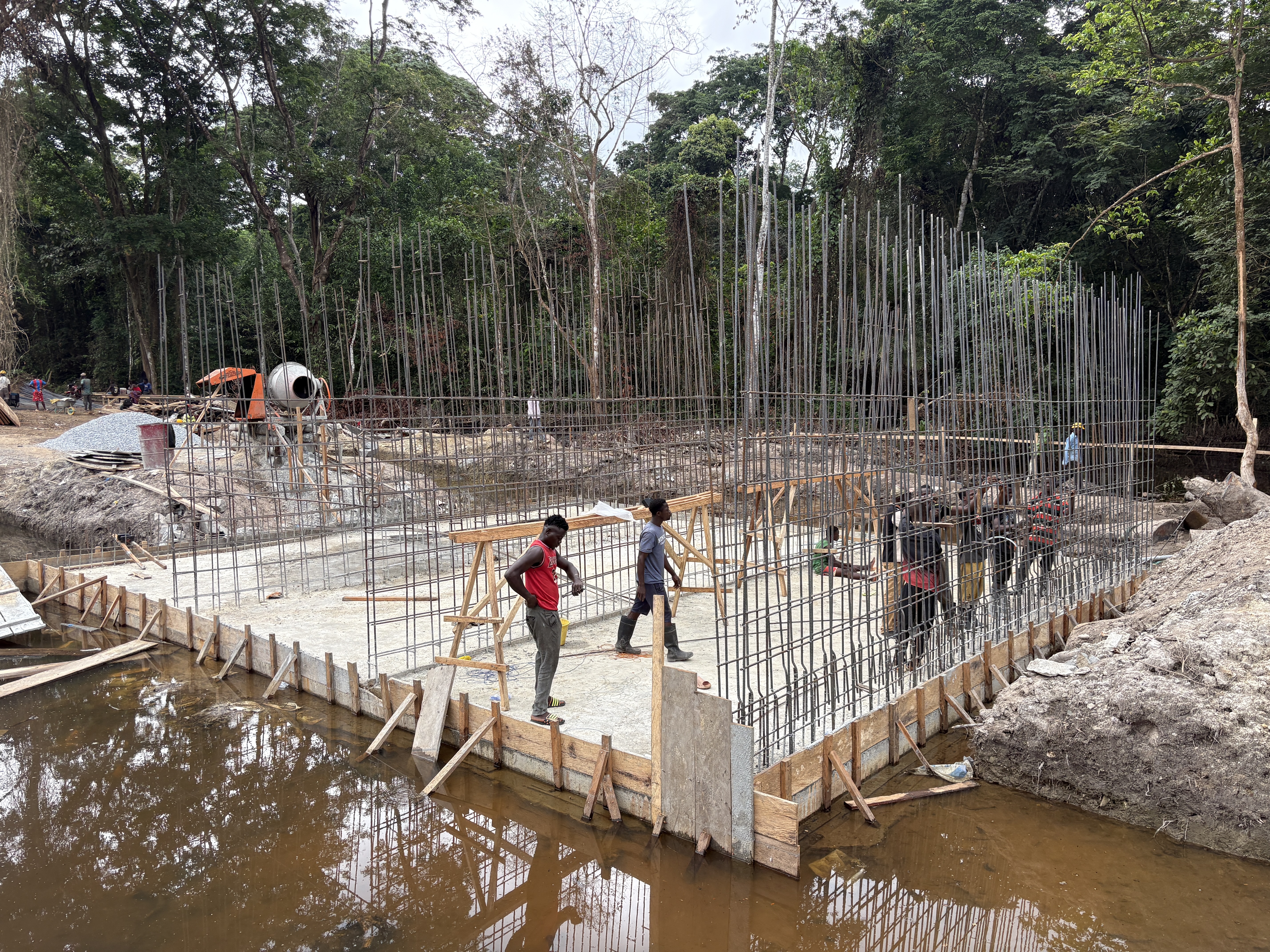
This exchange reflects a core aspect of engineering stewardship: balancing technical rigor with community perspectives, while clearly communicating risk and uncertainty. EWB’s approach—listen first, understand local priorities, develop alternatives, and refine solutions collaboratively—was central to the process.


Applying Proven Methods in New Contexts
While the setting is remote, the engineering approach is not. The same hydrologic modeling principles, risk-based design decisions, and erosion control strategies used in highly developed environments were adapted to fit local conditions, available materials, and construction capabilities.
This ability to translate established engineering practices into resource-constrained settings is essential to addressing global water challenges—particularly where data, funding, and infrastructure are limited.
Toward Reliable Access and Resilience
Following the site assessment and data collection in 2023, the team developed and refined alternatives with community input, completed the design in 2025, and advanced the project into construction in early 2026. The crossing is scheduled for completion ahead of the monsoon season.
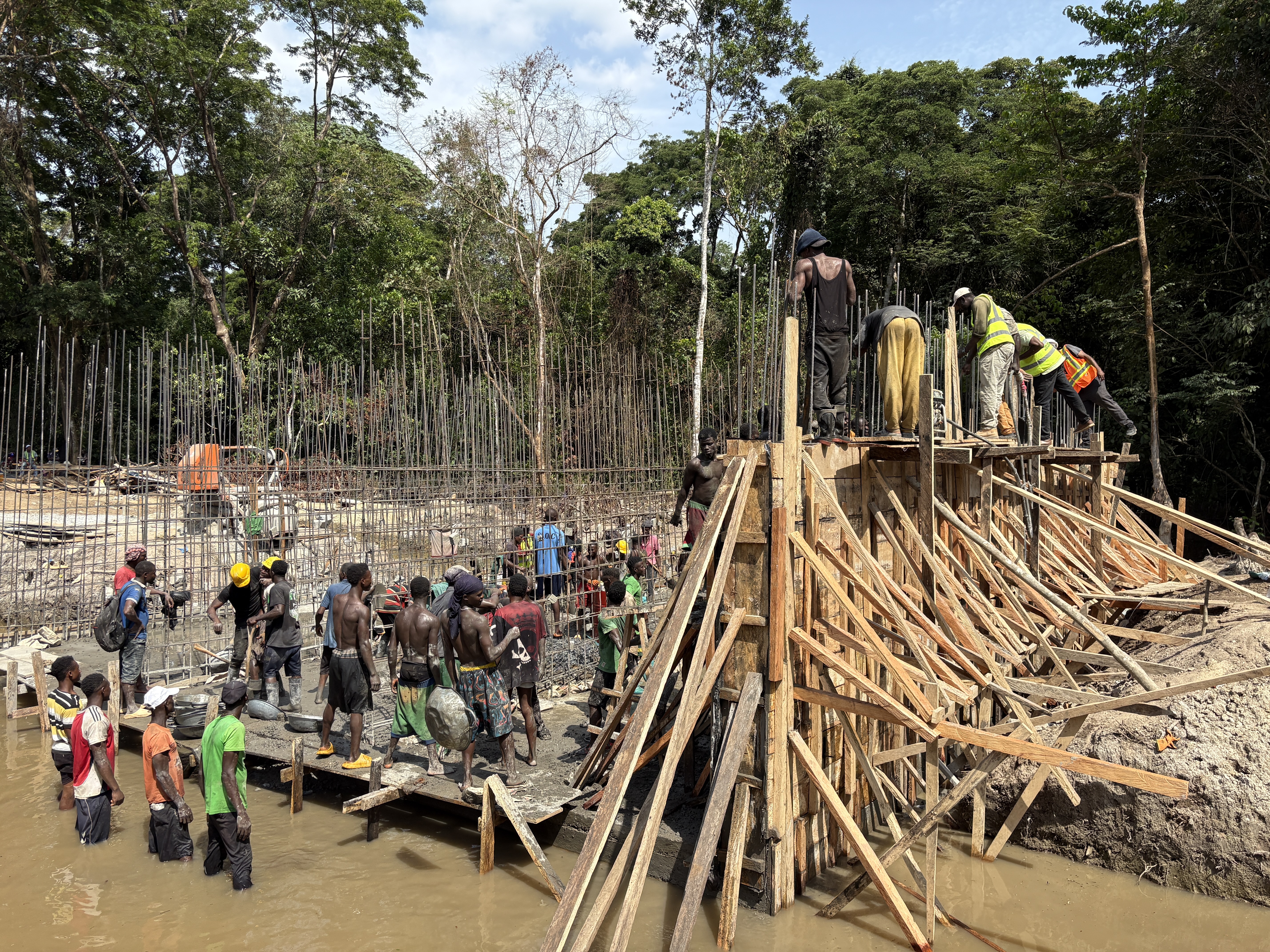
Once in place, it will provide reliable, year-round access for more than 1,000 residents, reducing risk during flood events and improving connectivity to essential services.
Stewardship in Practice
Projects like this demonstrate that water stewardship is not defined by geography or scale. Whether in dense urban systems or remote rural communities, the challenge remains the same: understanding how water behaves and designing systems that work with it, not against it.
By applying proven engineering methods in new contexts, we can help communities better manage water in all its forms while building resilience that extends beyond a single project.

