
This article originally appeared on FacilitiesNet.
Key Takeaways
- Performance-based design enhances a stadium’s long-term structural resiliency
- Multipurpose functionality is key to generating year-round revenue
- Building larger entertainment districts around stadiums can help maintain consistent footfall and financial stability
Overview
Stadium design priorities have evolved over time, with today’s venues expected to support far more than game day. The shift toward multipurpose event spaces, both within the stadium and across surrounding districts, has reframed resilience as both a safety imperative and a revenue driver. These environments must remain comfortable, adaptable, and reliable despite the cumulative demands of weather, technology, and frequent use.
Where intimacy once defined the trend, modern sports venues are now designed for year-round operation, placing greater emphasis on fan and audience comfort. Structural and mechanical decisions—from roof systems and glazing to heating and cooling—play a critical role in creating environments that perform consistently across seasons and event types.
Today’s stadiums also function as multitenant destinations, often integrating restaurants, hotels, and retail alongside the primary venue. Ryan Anderson, Senior Principal and Managing Director of Walter P Moore’s San Diego office, said that the goal is for attendees to “have a unique and memorable experience in person that they won’t get at home.”
Safety-First Design
“One of the main roles of structural engineers is to ensure the safety of the building and its patrons not just from day one, but throughout the structure’s life cycle,” Anderson says. Building owners must consider occupant safety as the stadium’s infrastructure ages, usage evolves, and unexpected occurrences such as environmental changes occur. Those long-term uncertainties are why stadium engineering requires more than standard design assumptions and why Walter P Moore applies performance-based design (PBD) to better understand how these structures will perform over time and under extreme conditions.
“The stadiums and arenas that we design are very unique compared to traditional buildings, and therefore some of those general rules of thumb don’t always apply to sports venues,” Anderson says. “One way to have a better-performing building is a performance-based design. It is a finer level of analytical modeling of the true behavior of our buildings whether that’s structural steel, structural concrete or other materials.”
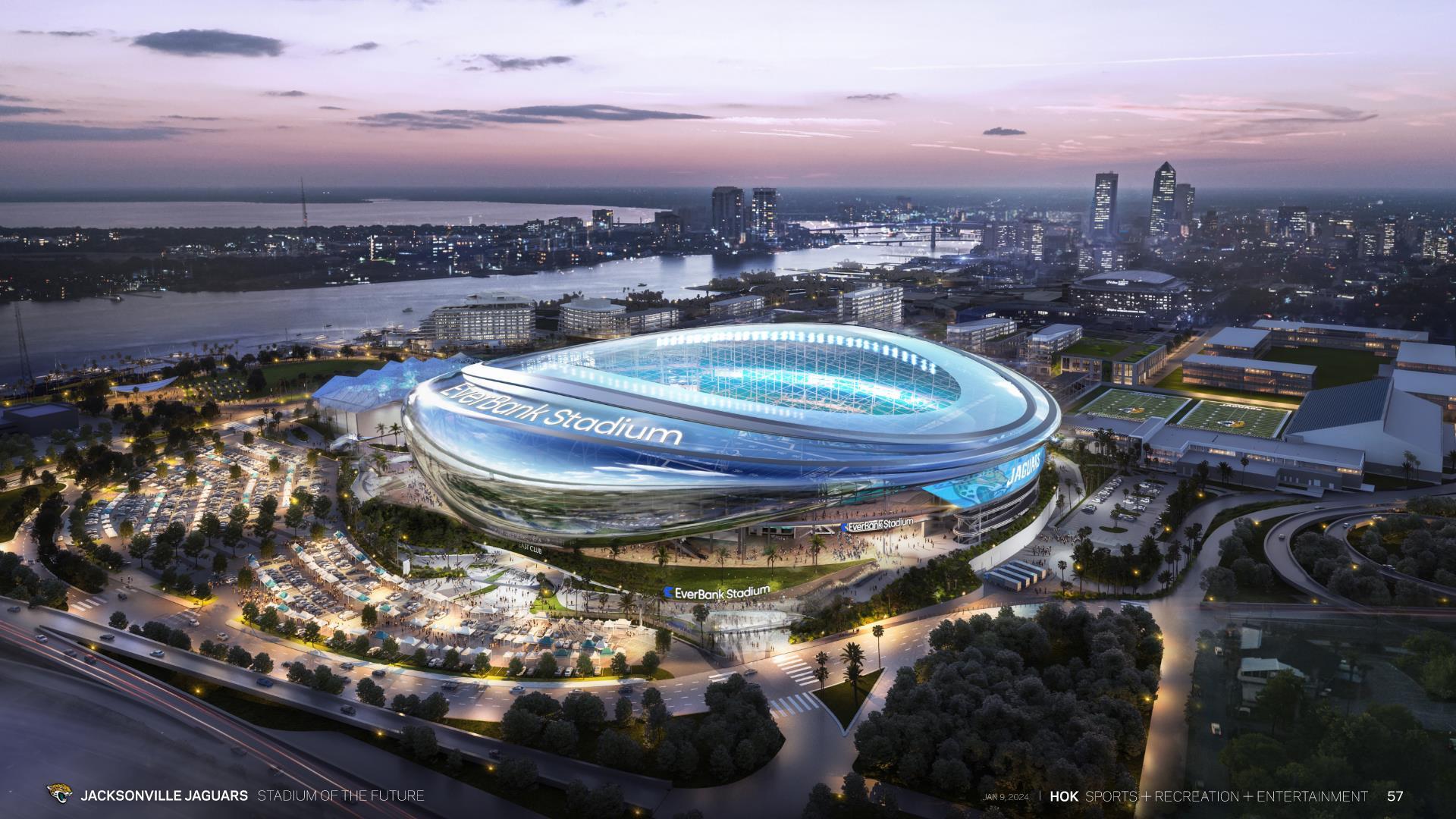
PBD allows for the team to appreciate the project site better by understanding atmospheric conditions, prediction information, and gaining a much better handle on how that individual building will behave with its true design versus the generalities of more of a prescriptive building. Even though PBD is not always feasible or conducted early on, building owners and facility executives that employ it in their stadiums will have much better data on how the building can be expected to perform and more confidence in its resiliency if unexpected events like extreme weather or natural disasters were to occur.
Resilience Becomes Revenue
One way to enhance stadium resilience is through enclosing stadiums to withstand a variety of environments from heat, cold, rain, or snow. An enclosed stadium increases fan or audience comfort and provides more event opportunities, which brings more people to these venues, says Bart Miller, a senior principal of structures at Walter P Moore. An enclosed stadium will protect the structure, systems and components from weather conditions, reducing damage and wear-and-tear.
As trends shift in stadium design, there is a concerted effort of moving away from each stadium having one use to a single structure that’s able to do a variety of things, according to Miller. The multiple uses these structures must support is key to their lifetime value and resilience. To attract a variety of events and increase both occupancy and revenue, Anderson and Miller consider structural needs such as designing stadiums to handle a wide variety of rigging configurations.
Miller explains that due to elements like rigging flexibility, the New Nissan Stadium in Nashville, Tennessee, will be able to accommodate massive arena shows as well as the NFL’s Tennessee Titans football team. There has also been a “massive effort” in venues like the Intuit Dome in Inglewood, California, home of the NBA’s Los Angeles Clippers, to feature loading docks with column-free spaces and massive trusses for semi-trucks to load in and out quickly.
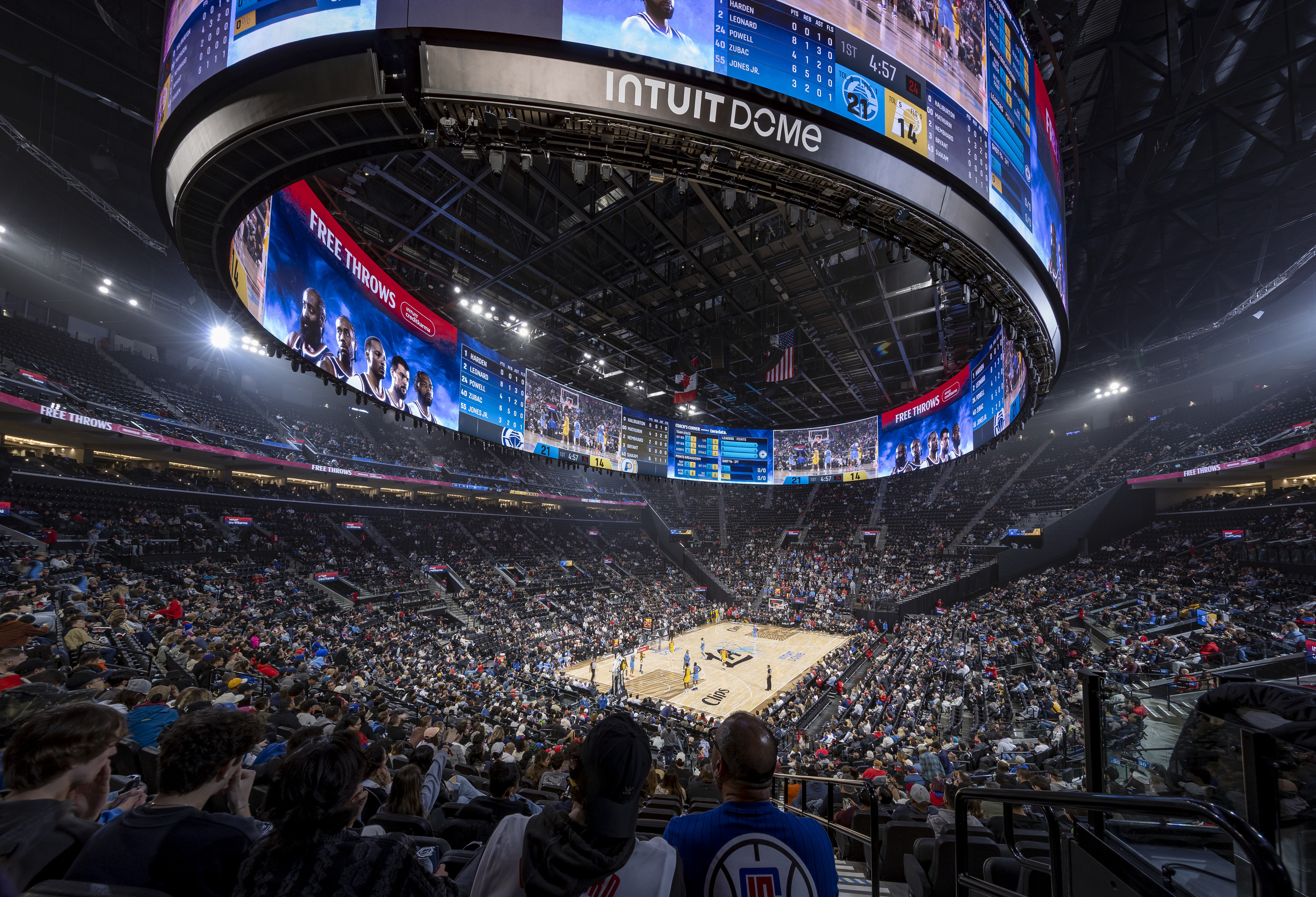
“Stadium flooring needs to accommodate far more than typical foot traffic,” Anderson says. The floor may be required to support dirt for motocross events, multiple concert stages, or even a temporary swimming pool, such as when SoFi Stadium hosts the Opening and Closing Ceremonies of the 2028 Los Angeles Olympics and Paralympics. For events that do not require full capacity, the ability to create smaller, more intimate configurations can attract a wider range of performers and audiences. In those situations, owners also benefit from reduced operational and energy costs, according to Miller.
Ultimately, resilience through flexibility allows a venue to adapt as needs, expectations, and technology evolve. Whether driven by demands for larger video boards, expanded premium spaces, improved seating, or contactless food and retail options, a resilient stadium can be modified to stay relevant without requiring wholesale replacement.
Beyond the Game-Day Experience
Stepping outside, the trend is for the stadium to serve as a hub within a multi-use district. This can include retail, bars, restaurants, hotels, more. This creates a need for facility managers to make considerations beyond stadium walls, such as how to keep people safe, parking and transit options, and what else is needed to run a large entertainment district.
Miller cited venues that have created these multi-use districts to draw and retain fans including Truist Park and The Battery Atlanta serving MLB’s Atlanta Braves as well as Texas Live! in Arlington, Texas, near the respective stadiums for MLB’s Texas Rangers and the NFL’s Dallas Cowboys. From a resilience consideration, this integration can ease the traffic, both foot and auto, right before or immediately following the event, because people may come early for a meal or stay later for socializing.
An Eye on the Future
Building codes are written to address the broad needs of most buildings, which tend to share similar assumptions and conditions. PBD allows engineers to look beyond those generalities and anticipate how a structure may perform years into the future, supporting more informed decisions around safety and long-term resilience.
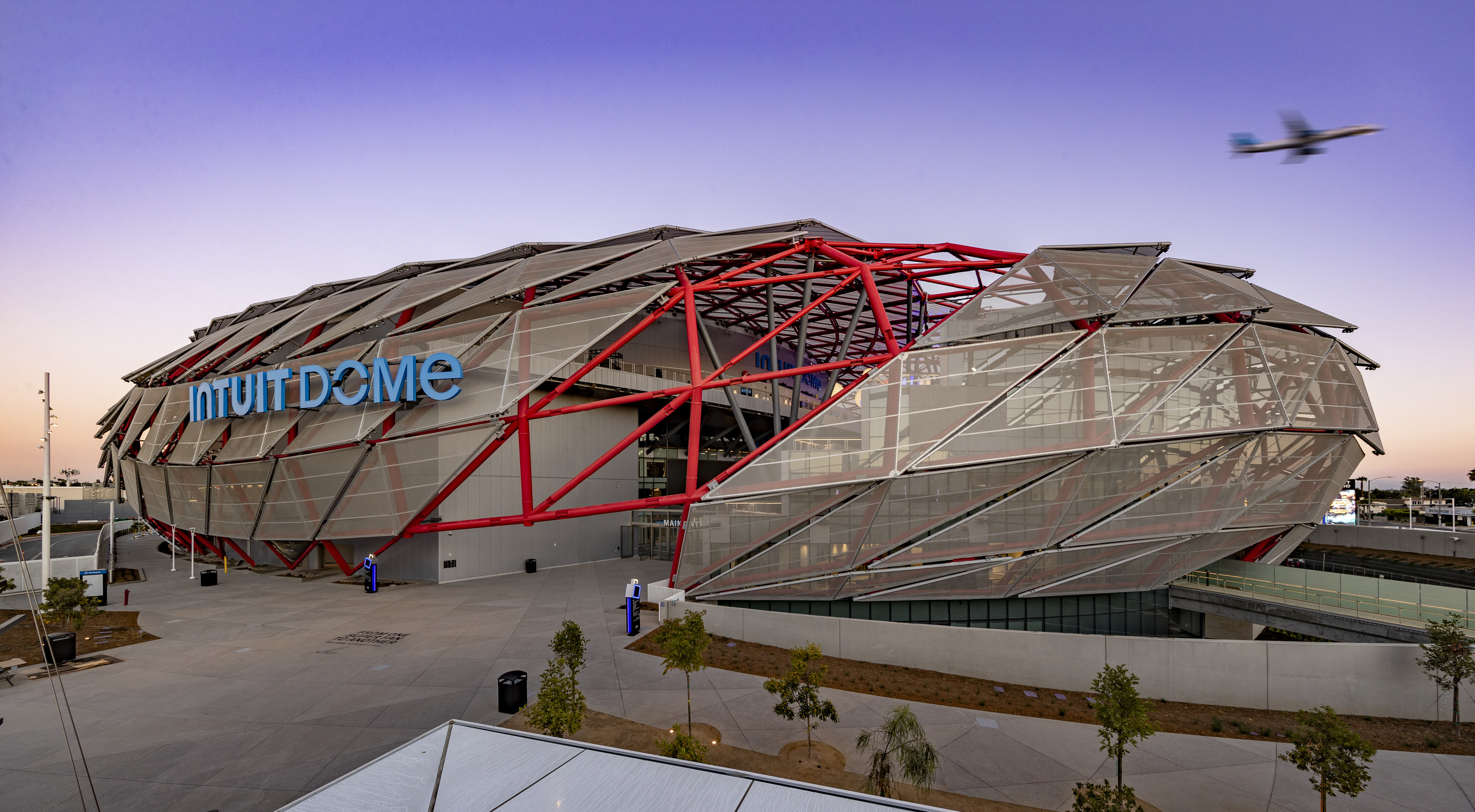
“We wouldn’t design a structure in a way that it can’t be modified in the future,” Miller says. “Part of our job, and an architect’s job, is to predict where the industry may be headed and to build that flexibility into the structure and design. It’s much more resilient to modify and improve an existing building rather than tear one down.”
That adaptability not only supports occupant safety but also helps owners preserve revenue and extend the life of a stadium.


